.

Blade Loading, Inverse Design and Shape Parameterization

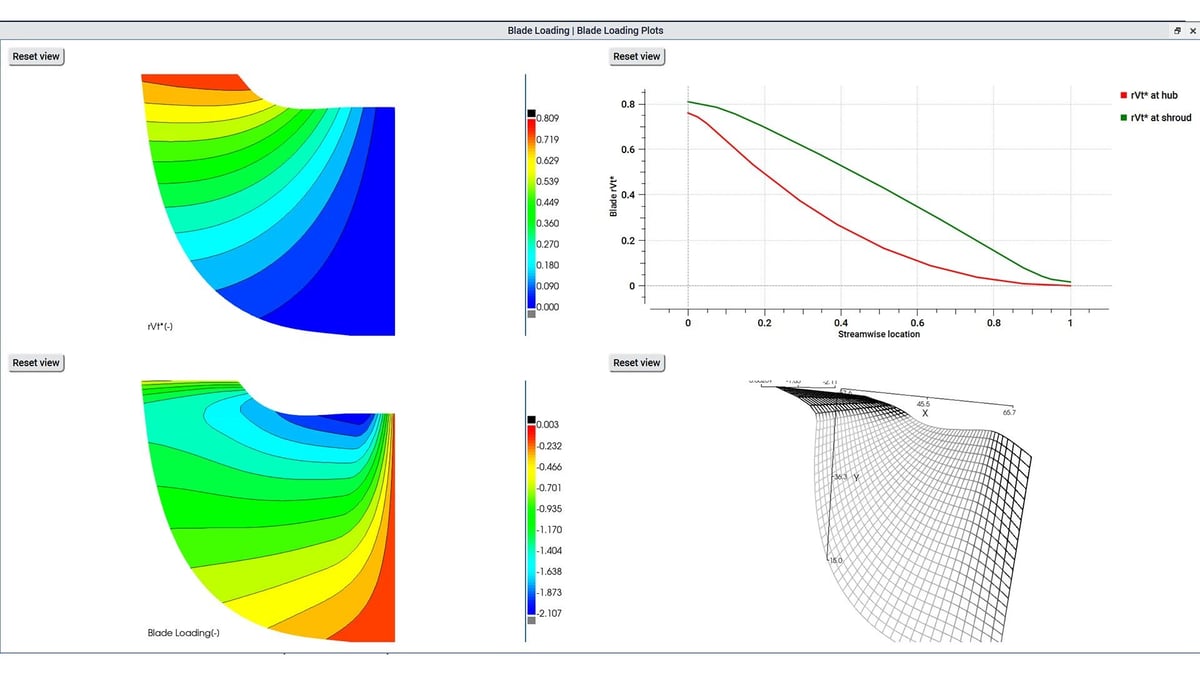
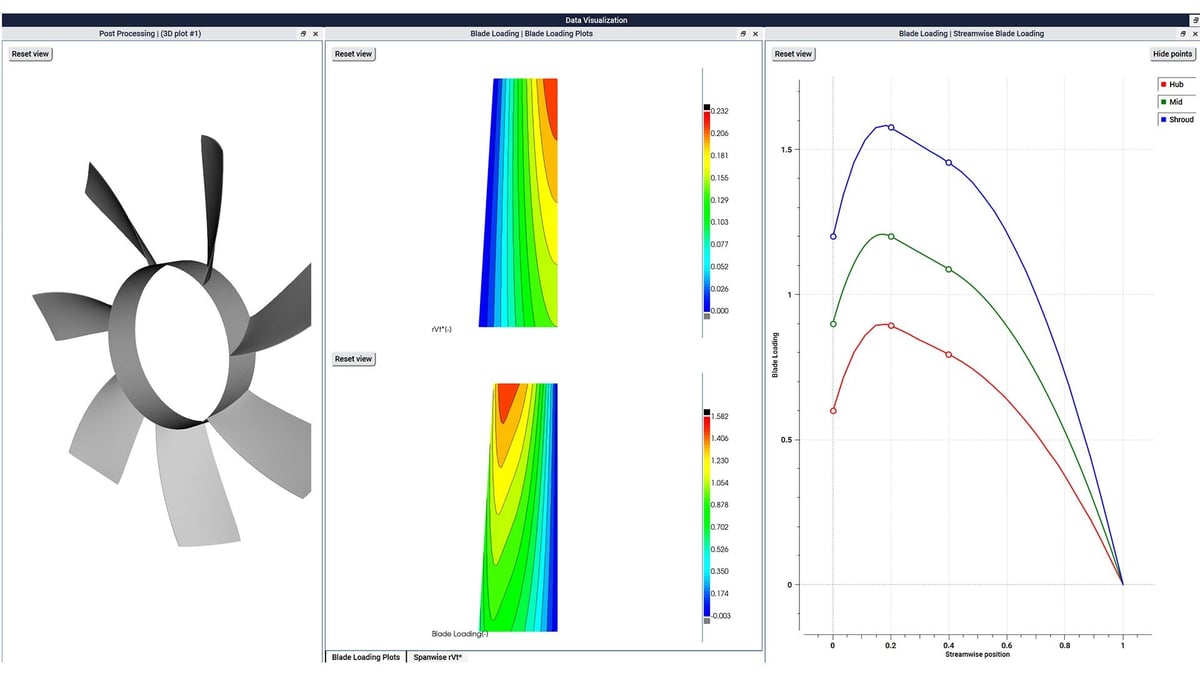
The concept of blade loading and how it is integrated into 3D Inverse Design is explained from first principles. We will show how the method is applicable across all types of turbomachinery be they work-in or work-out machines, using any working fluid, compressible or incompressible. 

See how some simple controls that determine how and where the work is generated (or extracted) in the blade passage drives a blade shape as the output to the problem, and understand how this removes the need for trial-and-error blade shaping and the costly iteration of direct design.


This webinar introduces and discusses the concepts of:

Don't miss this opportunity to see how TURBOdesign Suite is expanding its reach and providing you with the advanced tools needed to design and analyze a wider variety of high-performing turbomachinery applications.


Who is it for?

The event addresses all engineers, developers or researchers dealing with Turbomachinery Design.

Controlling blade loading means taking control of the actual flow physics in the blade passage
3D Inverse Design uses the required flow and performance as the input, and gives the blade shape as the output
The 3D Inverse Design method is applicable across all types of turbomachine
 The 3D Inverse Design method is applicable across all types of turbomachine 
TURBOdesign-Suite-Toolkits-1
TURBOdesign Suite Toolkits

Meet the Speakers

Rich-Profile-ADT

Richard Evans

Applications Engineer

 
Lorenzo-Bossi-ADT

Lorenzo Bossi

Chief Operating Officer